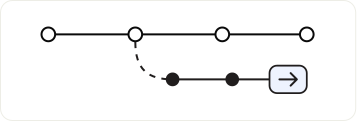
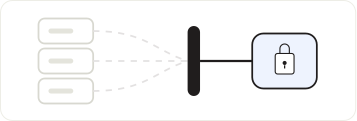
Digital Cube connects every system your business runs on into one governed model that holds your data and the logic behind it.
Digital Cube is the data and knowledge layer of the ConverSight platform. It brings the data from your ERP, CRM, spreadsheets, databases, files, and other systems you already run into one governed model that every app, AI agent, and assistant works from. A semantic layer gives your data business meaning, a knowledge graph holds the logic, and your permissions go wherever it’s read, even into Claude and ChatGPT over MCP.
Because the logic lives in the Cube, every answer traces back to where it came from.
150+ prebuilt connectors — deepest in ERP, reading live records and writing approved orders back, with each source still the system of record.
The difference isn’t scale. It’s what travels with your data.
“We used to spend hours digging through emails and spreadsheets to find order details. Now, with ConverSight, everything we need is in one place, it’s transformed how we operate. ConverSight gave us enterprise-grade insights without needing a full IT team. We can now make smarter, faster decisions with total confidence.”
“I can go through the forecasting at a glance and instantly identify where we might potentially be in trouble. With ConverSight, we can look at the same data in different ways, consolidated in a practical and easy manner.”
“AI-driven purchase recommendations and real-time demand forecasting replaced outdated, static reports – aligning production and purchasing with actual demand across the supply chain.”
A semantic layer organizes raw data into business-ready definitions: what counts as revenue, which orders are open, how margin is calculated. It sits between the systems that store data and the people and tools that read it, so everyone works from the same meaning instead of rebuilding their own. In Digital Cube, the semantic layer is what lets agents reason over your data rather than only query it.
A knowledge graph stores how things in your business relate: which suppliers feed which parts, which parts go into which products, and the rules and calculations that connect them. It’s what lets Athena explain why a number looks the way it does.
No. If you have a warehouse, Digital Cube can read from it and add the business logic and governance on top. If you don’t, Digital Cube’s own storage covers it, so you don’t need to build one first.
A semantic layer tool adds definitions on top of a warehouse you manage. Digital Cube holds the data, the definitions, and the logic in one governed model, pre-built for supply chain, with time travel and what-if scenarios included.
Yes, through MCP. External assistants see only what the person asking is allowed to see, because the same role- and user-level permissions apply to every request.
It lets you query the model exactly as it was on any past date, for example inventory at last quarter’s close, without having built snapshots in advance.
Yes. You can start with a sample dataset or file exports, then connect live systems when you’re ready.
Access is governed at the role and user level, and the same rules apply everywhere the data is read. See Trust & Security for certifications and hosting details.